

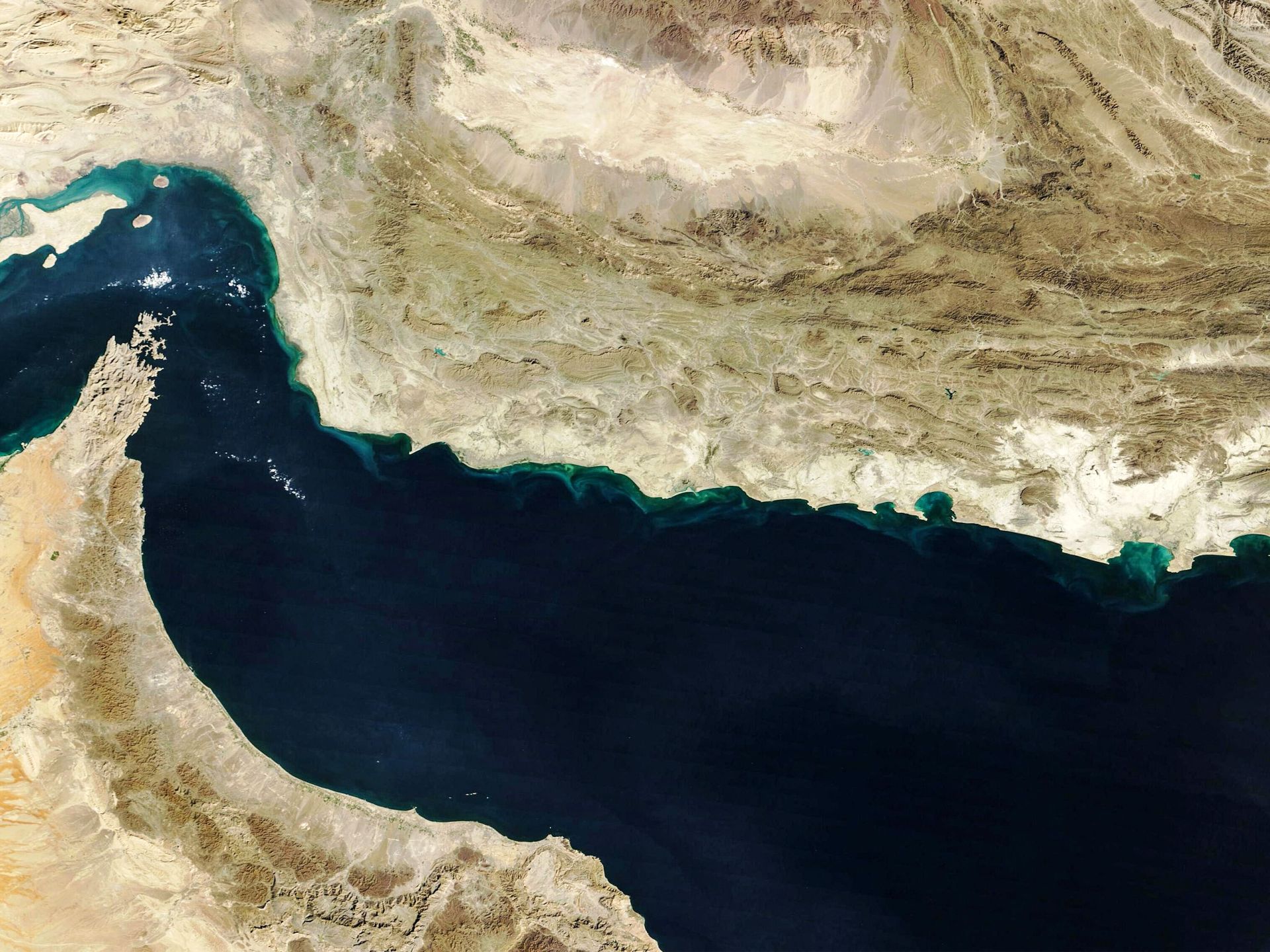
With the continuing confrontations between Iran and Israel, the possibility of their escalating to include targeting economic facilities is very possible, especially with regard to oil and gas installations in the Gulf region, which is the richest regions of the world in energy production, and the Hormuz Strait – the most important of the world’s energy corridor – returns to the fore.
In its first structure on Friday, the Israeli raids did not target oil facilities, which partially contributed to temporarily calming the markets. But today, Iranian media reported that a fire broke out in the southern Pars Gas field in Bushehr Governorate (south of the country) following an Israeli capacity for energy infrastructure.
The field is located on the Arabian Gulf near the maritime border with Qatar. The attack led to a wide fire in the fourth stage of the Pars refinery, according to videos posted on local platforms.
The Iranian Tasnim Agency talked about the attack on the southern Pars field, noting that it erupted in one of the four units in the 14th stage of the field, causing the production of 12 million cubic meters of gas temporarily from the platform of the 14th stage of the southern Pars field, until this stage of the refinery returned to work.
Hours later, the Iranian Oil Ministry announced the control of the fire in the Pars field and the Fajr Jam, southwest of the country.
This is the first time that Israel targets the southern region of Iran adjacent to the Gulf, referring to a new level of escalation in the war that Israel started since yesterday against Iran.
Iranian wave
The Iranian Islamic Republic News Agency quoted Ismail Kothari, a member of the Parliament’s Security Committee, that Iran is seriously studying the closure of the strategic Strait of Hormuz.
The Strait of Hormuz, located between Oman and Iran, is the most important gateway to shipping oil in the world, through which most of the region’s oil passes to the world in addition to large quantities of liquefied natural gas.
The Strait of Hormuz is a narrow navigation road in the Gulf region, which forms its oil outlet to the outside world, nicknamed the artery of life for the industrial world, and it crosses the two -thirds of the oil production that the world consumes.
This strategic strait throughout history has been the focus of international conflicts, and the oil export from it to America and European countries has previously been suspended for its support in the 1973 war, and it constitutes a pivotal point for international tensions between Tehran and the West.
Iran had previously threatened to close the Strait of Hormuz in front of the navigation movement in response to Western pressure. Experts warned that any closure of the strait could restrict trade movement and affect global oil prices.
The most important oil artery
- The Strait of Hormuz is located between Oman and Iran and connects the Persian Gulf in the north and the Gulf of Oman and the Arabian Sea in the south.
- It is 33 kilometers at the narrowest point, and the two -kilometer -kilometer entry and exit width does not exceed three kilometers in both directions.
- About a five -year -old world of oil, or nearly 20 million barrels per day of oil, condensate and fuel, passes through the strait.
- Saudi Arabia, Iran, the UAE, Kuwait and Iraq, members of the Organization of Petroleum Exporting Countries (OPEC), topped most of their raw oil through the strait, especially to Asia.
- The UAE and Saudi Arabia seek to find other ways to avoid crossing the strait.
- Qatar, the largest source of liquefied natural gas in the world, transports almost all its liquefied natural gas through the strait, which represents about a quarter of the use of the world’s liquefied natural gas.
Hormuz Strait alternatives to export oil
- East West Saudi Line, which transports Saudi oil from the eastern region to Yanbu port in the Red Sea (west of Saudi Arabia).
- The Habshan Fujairah line, which transports Emirati oil to the Port of Fujairah in the Gulf of Oman, outside the Strait of Hormuz.
The US Energy Information Administration said in June last year that about 2.6 million barrels per day of the unexploited UAE and Saudi pipeline energy may be a substitute for the Strait of Hormuz.
The alternatives will only help in a small percentage in avoiding the consequences of closing the Strait of Hormuz because the volume of their assimilation of the quantities of the source oil is limited, and the possibility of the Yemeni Houthi group entering the crisis line may push them to close the door of the mandate at the southern entrance to the Red Sea, which makes the arrival of Gulf oil to Asia almost impossible.
These measures will not harm Israel directly, but will harm America and Western countries by raising energy prices in a missile.
Another Iranian response
If Israel targets Iranian oil and gas sites, Tehran may target Israel’s oil facilities, most notably:
- Haifa refinery in the north.
- Ashdod refinery in the middle.
- Israeli marine gas platforms such as Tamar, Levaythan and Crush.
This will constitute a severe blow to Israel and its weavive economy as a result of the war it has launched on Gaza for 20 months.
Iran has intentionally targeting oil installations in the Gulf states in order to disrupt the export of oil from all countries of the region due to the suspension of Iranian oil export.

