

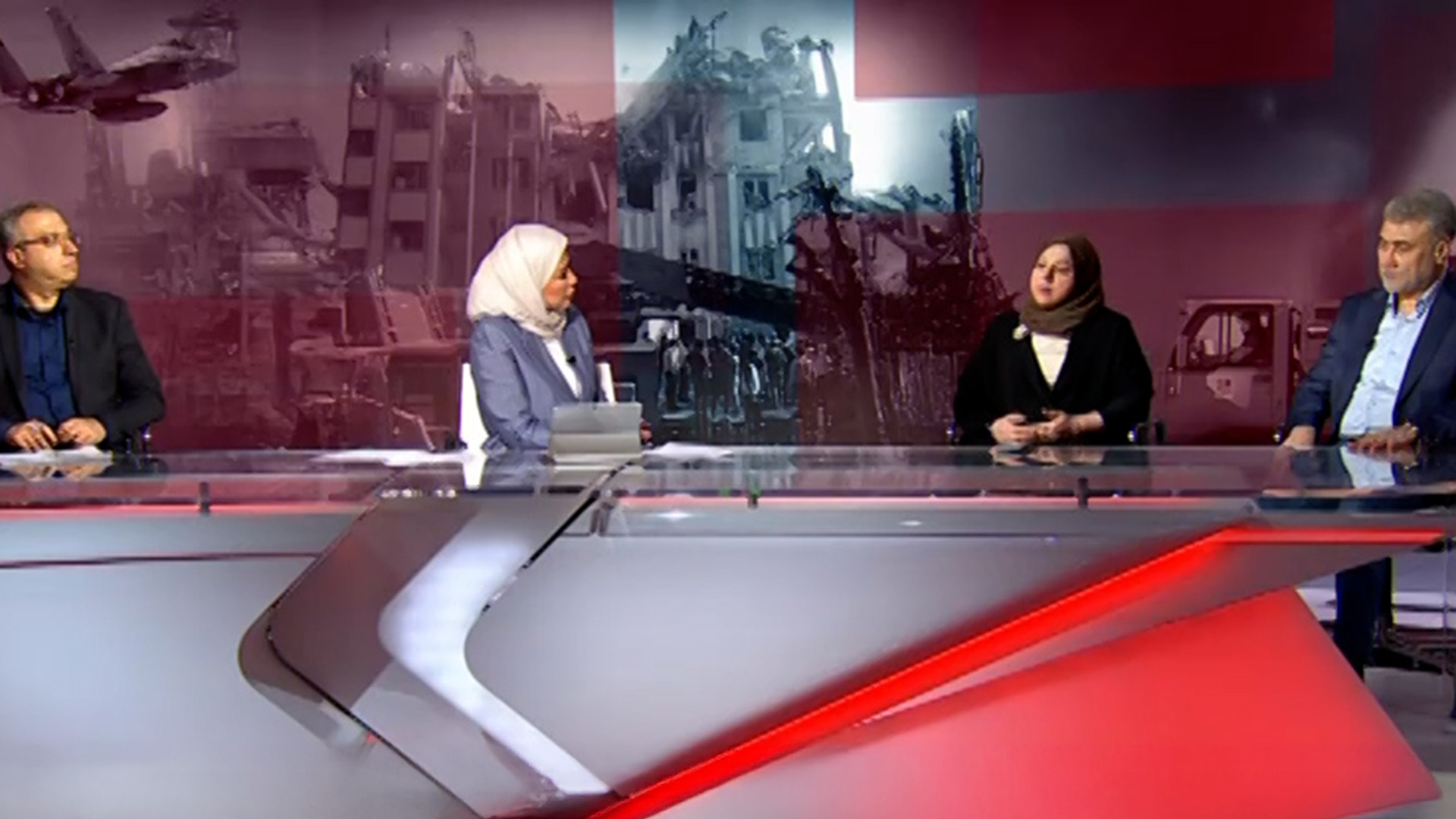
The Israeli -Iranian war entered a critical and very ambiguous stage, and questions were raised about Iran’s regional and international allies, and the possibility of entering the confrontation line in response to the potential American intervention, two analysts say.
US President Donald Trump raised the threat index to an unprecedented roof, and demanded Iran to surrender, waving the possibility of the country’s supreme guide, Ali Khamenei, who said that the United States knows where to live.
Meanwhile, indications of Trump have increased the decision to directly intervene in the war between Iran and Israel, specifically in order to destroy the Fordo nuclear facility.
The United States has moved many of its strategic military cuts into or near the region, and put another on alert, including the strategic bomber “B52”, according to the American press.
Gradient options
If America entered the war directly, this may push the Iranians to strike many American interests in the region, especially its military bases in Iraq and the Arabian Gulf, says the first researcher at the Al -Jazeera Center for Studies, Dr. Mekki.
But hitting these American bases will not be easy – according to what Makki said in statements to the island – because they are fortified with a large missile force that can defend them, which means that Iran’s failure to target these rules will push it to move its “arms” to strike all Washington interests in the region, including oil wells, for example.
Based on this, the Iranians will use their military capabilities wisely – probably – because it is considered limited if it is measured by the American open support of Israel, according to Makki, who said that the demolition of an ancient country historically and politically the size of Iran will not be easy.
But the expert on Iranian affairs and researcher at the Al -Jazeera Center for Studies, Dr. Fatima Al -Smadi, does not believe that Iran is weak to the extent that its leaders respond to Trump’s demands to surrender, because it has already rejected all the messages that it received during the past two days through regional and European brokers and all meant surrender under the umbrella of returning to negotiations.
Surrender is not proposed
According to Al -Samadi, surrender is not proposed because the Iranians will not accept today what they rejected before and paid for him a heavy price of blood and scholars, as well as Tehran has allies in the region that they will not abandon.
Among these Iraqi and Afghan Shiite militia allies alongside Ansar Allah (the Houthis) in Yemen, who announced that they would enter the war in support of Iran as they entered the Gaza war in defense of the Palestinians, and Hezbollah in Lebanon, which excludes Al -Smadi to have permanently left the equation.
Hezbollah had received strong strikes from Israel, in response to its support for the Palestinian resistance in the Gaza Strip, and Israel was able to assassinate the party leaders, led by its former Secretary -General, Hassan Nasrallah and its senior aides, and Israel also targeted thousands of party fighters in what is known as the Being operation.
And the party was forced, after the losses it suffered, and in front of the international and regional pressure to withdraw its forces from border areas with Israel, while the Lebanese state says it was able to put its hand on a large part of its weapons.
The expert in Iranian affairs acknowledges that Tehran’s allies in the region have received a blow, but they did not weaken as some people imagined, especially the Houthis, who expressed their belief that they have not yet exhausted their maximum strength.
The Houthis have continued to target Israel by missiles, to force the latter to stop its aggression against Gaza since October 2023, and the Houthi missiles have affected many ships in the Red Sea that were heading to Israel’s ports.
The Houthis in Yemen were subjected to dozens of missile strikes by Israel and the United States, but the latter reached an agreement with the group to stop targeting them in exchange for the Houthis pledge to stop targeting American ships in the Red Sea.
Among the allies are also the Iraqi militias that have not entered the war yet, while the Lebanese Hezbollah cannot be considered completely outside the equation, says Al -Smadi, who confirmed that all these matters represent strengths in the hands of the Iranians.
Al -Smadi concluded that the issue is “not so easy because raising the cost of targeting Iran will not be easy for the world and not only the region, because it may occur in the energy path, and this will have great repercussions on countries such as China that depend on the oil of the region.”
Even the American bases in the Gulf and Central Asia are surrounded by Iran as a bracelet with the wrist and not far from targeting despite its defensive readiness, and Tehran has previously sent a message that it is able to cause damage when it struck the base of Ain al -Assad in Iraq, according to al -Sumadi.
International support is not serious
As for the international allies, such as Russia, China and Pakistan, they have not yet shown what they will provide for the support that was expected of them, says Makki, who indicated that China has not issued what indicates its intention to defend its current and future economic interests with Tehran, and represented by the commercial silk line.
He said that the liquidation of Iran and its arms in the region – if it happened – means that the Mumbai Indian road will be a substitute for the Silk Road, which is considered a future economic project for Beijing that has not provided any support to the Iranians until the moment.
The same thing is that Russia is doing almost that it did only to condemn and invite Iran to negotiate, although Iran defended it and provided it with a “witness” aircraft that helped it hit Ukraine, according to Makki, who drew to the political price that Tehran paid, especially in its relationship with Europe for its support for Moscow.
He concluded that Iran has enjoyed rhetorical and media support that was to condemn the Israeli aggression against it, but it did not enjoy real military support, even from Pakistan, which Makki indicated that its officials returned and reduced the statements of the Minister of Defense in which he said that “Pakistan stands with Iran with the power that it has gone” and confirmed that the minister means diplomatic support.
Therefore, Makki said that it is the “arms” of Iran who might move to support it in the war against it by Israel and America later, without expecting this from the international allies.

