

7/14/2025–|Last update: 22:40 (Mecca time)
Farmers and resistance committees in the Sudanese border state of Gedaref with Ethiopia announced today, Monday, that Ethiopian militias are known as “Al -Shafta” crossed the border between the two countries, and they were accustomed to the villages of Baraka Nurin Wood Wood and Wood Cole, and looted the livestock and property of citizens.
The lips are armed groups from the Ethiopian Amhara group, and they occupied hundreds of hectares from the border triangle of the border, which is located within the Sudanese Gedaref State, and they took control of them through attacks and kidnappings targeting Sudanese farmers.
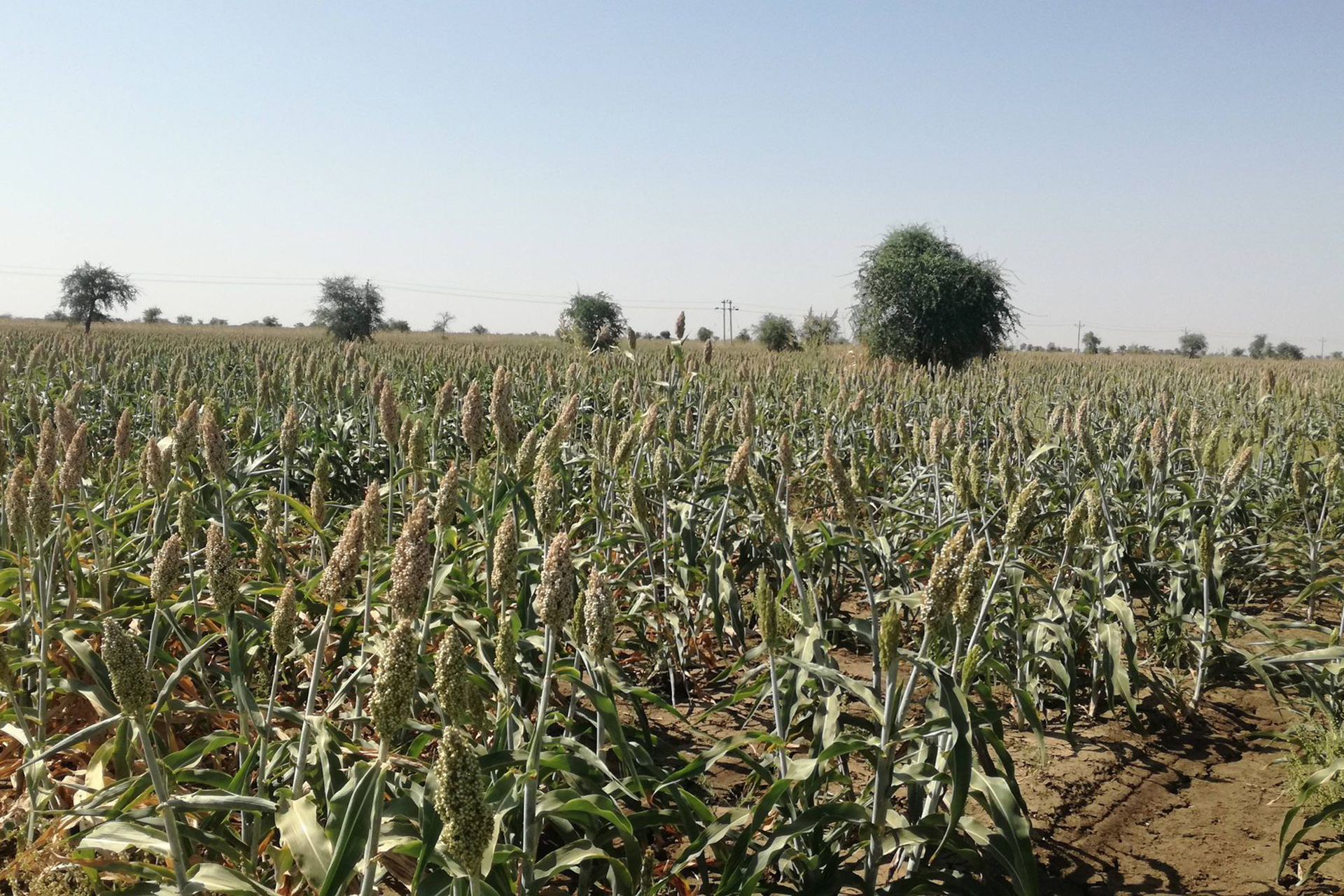
The triangle of the foster is a vast area of fertile land with an area of about 1.2 million hectares, and a position of dispute for decades between Sudan and Ethiopia, with tension returning from time to time. The Al -Fashah locality is located on the borders of the Ethiopian province of Tigrai, which witnessed a civil war that left at least 600,000 people.
“Yesterday, when we were in our cultivation, the Ethiopian lips arrived, surrounded the village and fired, and pulled out of arms,” said one of the residents of the village of Wad Cole, 11 kilometers from the Ethiopian border, who is 29 years old and worked as a farmer, in connection with the French Press Agency.
“We were in our cultivation and we heard the shooting quickly and promised us, for fear of our families, and when we arrived, we found the members of the lips, looting cows and sheep from the village and entered Ethiopia,” said a citizen from the village of Wad Arjouz, border, at the age of (32 years).
According to the local resistance committee, the attacks targeted several other villages in Gedaref State. While there were no immediate reports of casualties as a result of the attacks on Wad Cole Wood, Ihru and Baraka Nurin.
The encroachments occurred at the beginning of the rainy and agricultural season, at a time when Sudan has been witnessing since April 2023 civil war between the army and the Rapid Support Forces, killing thousands.
According to the residents, the attacks without land cultivation during the main rainy season, which runs from July to September.
About 25 million people are suffering from acute food insecurity in Sudan – according to international reports – which is witnessing the largest humanitarian crisis in the world due to the battles between the army and the rapid support forces.
Although Sudan is considered an integral part of its lands based on the demarcation that was developed in 1902 between the British crown that was governing the country at the time and the Ethiopian Emperor Manikik II, the region remained the scene of smuggling and tension for a long time due to the lack of clear border signs.
Over the years, thousands of refugees and Ethiopian farmers through these borders are not tight and resorted to Sudan, and are still inhabited by hundreds of Ethiopian farmers, although they are located inside the territory of Sudan.

