

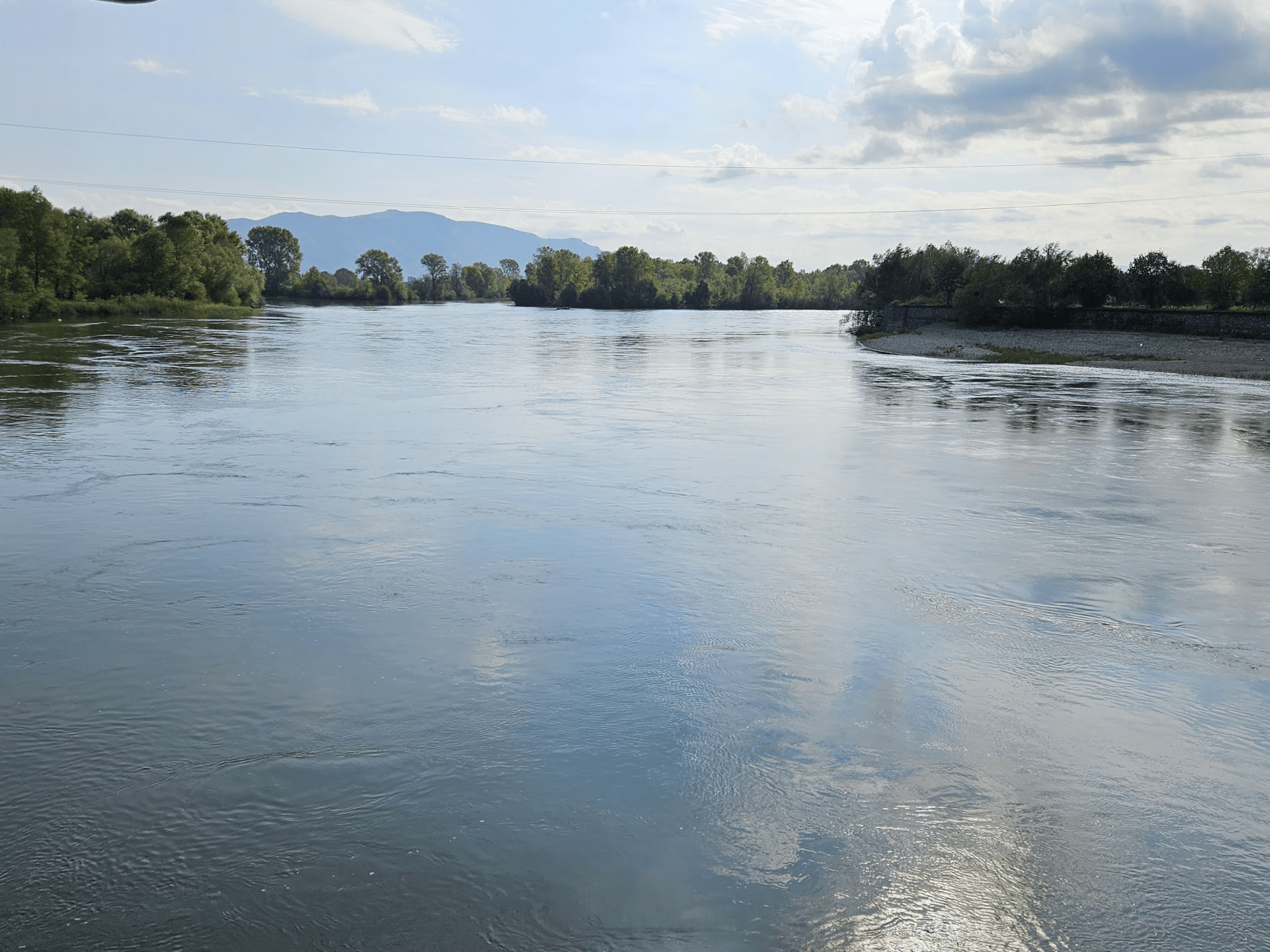
A new study revealed that the carbon stored in the depths of the terrain of the earth for thousands or even millions of years, making its way back to the atmosphere in the form of carbon dioxide emitted from the surfaces of the rivers.
In a study conducted by scientists from the University of Bristol, an international research team found that rivers around the world release carbon, not only from modern organic materials, but also from much older sources. This old carbon comes from deep soil layers, and even from eroded rocks.
This discovery is likely to change our understanding of the global carbon cycle, and indicates that plants and soil play a greater role in removing carbon from the air than previously believed.
“The results surprised us because it turned out that the old carbon stores leak into the atmosphere much more than what previous estimates indicated,” said lead author Josh Din, associate professor of geological biochemistry at the University of Bristol.
Scientists have previously assumed that the gases emitted from rivers – methane and carbon dioxide – often come from modern plant materials that have been decomposed and drifted into water during the past seventy years.
But this study found something different, as about 60% of the carbon dioxide emitted from rivers actually from the carbon buried underground for centuries or thousands of years.
“These results may have enormous effects on our understanding of global carbon emissions,” Dean said.
He pointed out that the results indicate that some of this old carbon, as well as the old carbon of the rocks, leaks sideways to the rivers and makes its way back to the atmosphere.
Although it is unclear how human activity affects the release of old carbon, researchers have found that plants and trees currently absorb more carbon to compensate for this unrecognized launch.
Restore carbon cycle
The research team examined more than 700 river course from 26 countries across each continent except for the Antarctic continent, and using advanced radioactive carbon history techniques, they measured the life of carbon dioxide and methane emitted from rivers.
By analyzing the amount of “carbon-14”, which is the counterpart that helps scientists determine the age of the sample, they were able to distinguish between the “modern” carbon and the old sources.
“We have discovered that about half of the emissions are new, while the other half is much older, and it starts from the layers of deep soil and eroding rocks that have been formed for thousands of millions of years,” said co -author Bob Hilton, professor of sedimentary geography at Oxford University.
Rivers are often ignored in climate -related discussions, but they play a decisive role in the carbon cycle, as the study shows, and rivers around the world are launched about one billion tons of carbon annually. In comparison, human activity is issued between 10 and 15 GB tons annually.
This makes river emissions a large part of the natural carbon flow, which scientists now realize that it is more dynamic than previously believed.
“These river emissions are large on a global scale, and we show that more than half of these emissions may be the source of carbon stores that we considered relatively stable,” said Gima Coxon, a participating professor of water science at Bristol University and the participating author.
“This means that we need to re -evaluate these basic parts of the global carbon cycle,” she added.
This discovery raises new questions: If the old carbon is leaking regularly to the atmosphere through the rivers, how can this flow change over time – especially with the high temperature of the climate and the reshaping of the earth due to human activity?
The team plans to continue its research by investigating how the life of river carbon emissions changes in areas that have not been captured in the current study, and whether these patterns have changed historically.
By reshaping our understanding of the sources of carbon emissions, this study also emphasizes the vital role of natural ecosystems in the balance of these emissions.
According to the researchers, plants and soil may already be able to compensate for this unexpected source by withdrawing approximately one billion additional tons of carbon dioxide from the atmosphere every year.
The results highlight the need for more accurate carbon budgets as policymakers and scientists work to address climate change.
Understanding hidden sources and banks of carbon in the environment is not just a scientific activity, but rather is necessary to build effective strategies to reduce global warming gases and protect the future of our planet.

