

2/7/2025–|Last update: 00:09 (Mecca time)
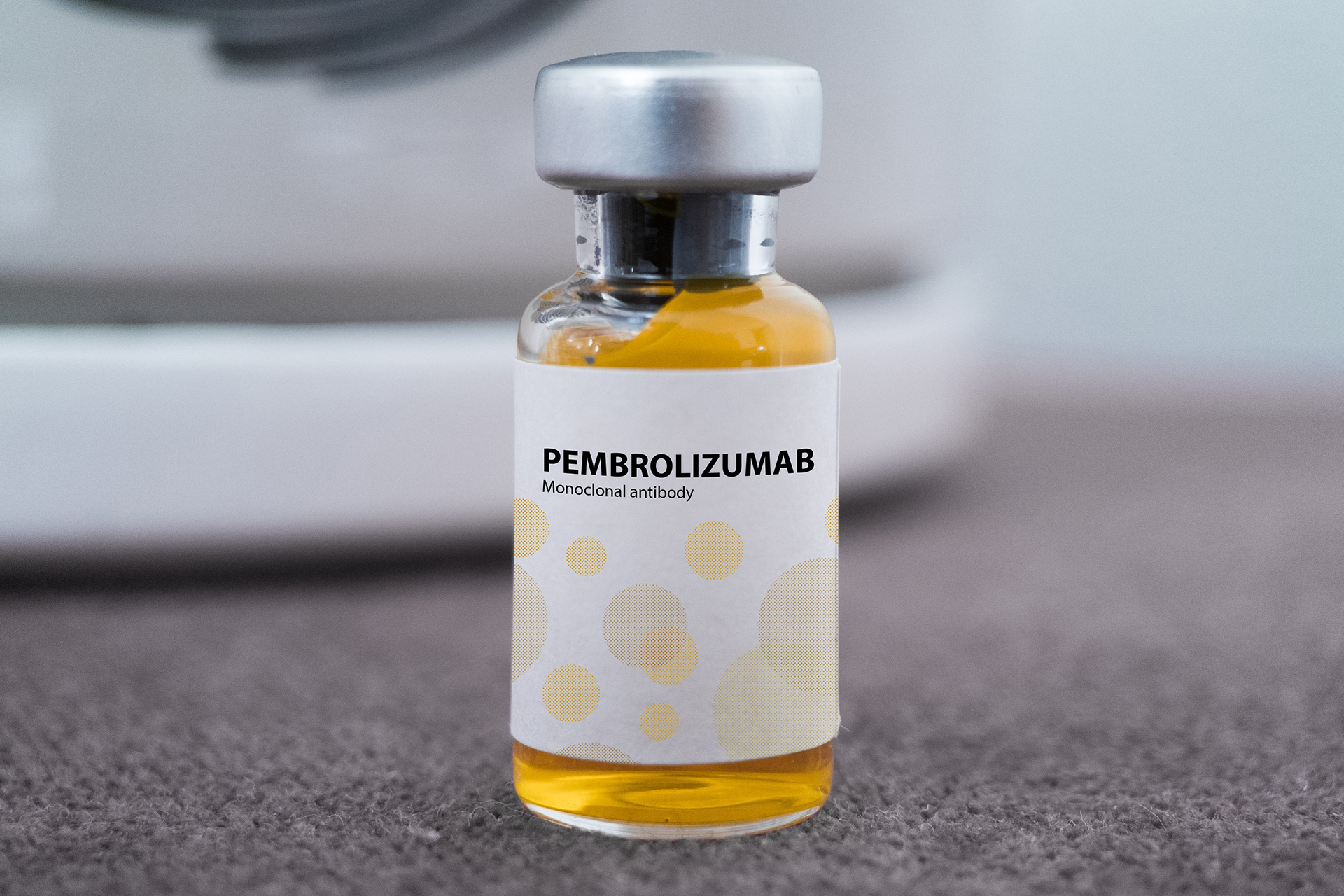
A recent medical study published by The Lancet Global magazine revealed that 20% of the drugs used to treat cancer diseases in 4 African countries do not have the quality standards needed to control the disease or limit its spread.
The study revealed – conducted in Kenya, Ethiopia, Malawi and Cameroon, and included 200 samples of hospitals and pharmacies – that every 6 drugs, including one who does not respond to the required health standards.
The medical team, which brought together American and African specialists, said that a large number of patients are likely to have received ineffective or forged drugs.
The researchers pointed to the danger of insufficient doses of anti -cancer medications, as they may lead to the spread of tumors and their growth in the body, and may also exacerbate the disease.
Previous medical studies conducted in Africa have indicated the outbreak of the drug in tuberculosis and malaria vaccines, but this is the first time that the manipulation of cancer drugs in the region has been detected.
Impaired control
The study attributed the spread of forged drugs to several factors, including poor control and the fragility of the system concerned with supplying treatments and manufacturing errors and not storing vaccines in appropriate conditions.
Maria Lieberman, the main researcher in the study from the University of Notre Dame, said that some medications are fully fake, which increases the risk of disparity between what is mentioned on the poster and the content of the actual medicine.
Lieberman asserts that the discovery of these adulterated products is very difficult, as patients or even doctors often have no visual examination – that is, looking at the package or the color of the tablets and fluids – which has been proven insufficient, as only a quarter of cases were discovered by visual examination, while the rest was revealed through advanced laboratory analyzes.
For its part, the World Health Organization said it is concerned about the new report, and will communicate with the four countries that were included in the study to assess the situation.
The organization also renewed its invitation to African countries that the regulatory frameworks should be strengthened in order to prevent the circulation of adulterated or poor quality drugs, especially in cancer treatment programs.

