

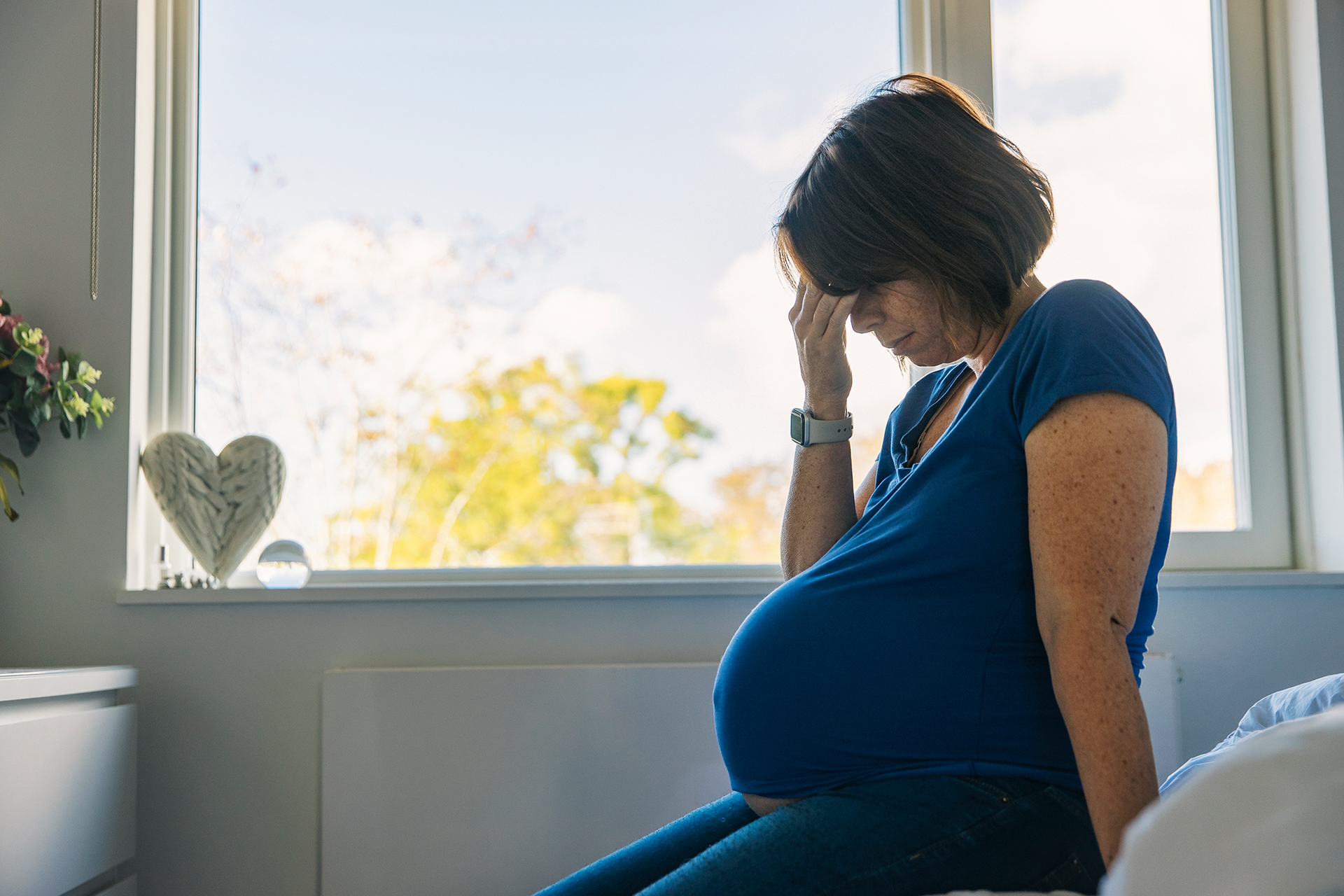
According to recent studies, 20 to 30% of pregnant women suffer from mental health problems, and for a period that may extend for 12 months after birth. Some of these problems may be easier to manage with simple steps that include self -care and the request for emotional support from family and friends, but others require the intervention of a psychologist, especially with the presence of worsening symptoms that may need a precise treatment plan to overcome.
Mental health problems during pregnancy
There are many factors that may affect the mental health of a pregnant woman, especially the physical and emotional changes that women are witnessing during pregnancy, in addition to hormonal changes.
The levels of the hormone cortisol in the body of the pregnant woman rise to its peak in the last few weeks of the third third of the pregnancy. This hormonal change is necessary for the growth of the fetus, as it helps the growth of the brain and lungs in a healthy way.
However, the high levels of cortisol may negatively affect the feelings of the pregnant woman, as high levels of cortisol are associated with cases such as anxiety and depression, and this height is likely to affect mood swings during pregnancy.
Anxiety and depression is one of the most prominent mental health problems facing a pregnant woman, and this is accompanied by symptoms such as emotion, insomnia, or changing sleep patterns, morning nausea, appetite changes, and mood swings. It is also difficult for women with depression to carry out the regular daily tasks, lose the feeling of pleasure and passion, and their sensitivity to others ’criticism or comments increases.
Although these symptoms may be common in the period of birth, the visit of a psychologist is a maximum necessity if they are continuing or accompanied by other serious symptoms such as panic attacks or disturbing ideas, such as the desire to harm the soul or others.
When do you resort to a psychologist?
It often neglects mental health problems during pregnancy and postpartum pregnancy, and is left without treatment, either due to the lack of taking these problems seriously, or for fear of the societal stigma associated with the request for help from psychologists. But neglecting these problems carries extreme and long -term effects on women and her family, as well as on the emotional, social and cognitive growth for children.
Consulting a psychologist will help you to determine cases that may require medical intervention or vow with long -term repercussions on your mental health. Among the common diseases that affect women and require immediate treatment, we mention:
1- Postpartum depression: Postpartum depression is a very common disease, as studies indicate that one in five women may suffer from this condition. Its symptoms include:
- Feelings of anger and emotion.
- Lack of attention to the child.
- Sleep and appetite disorders.
- Crying and sadness.
- Feelings of guilt or despair.
- Loss of attention or pleasure in the things you’ve been enjoying previously.
- Possible ideas to harm the child or yourself.
2- Anxiety during pregnancy or after birth: Research indicates that one in every 5 women may suffer from anxiety or anxiety accompanied by depression during pregnancy or after birth. Symptoms include:
- Constant anxiety.
- Feeling that something bad may happen.
- Excessive thinking.
- Sleep and appetite disorders.
- The desire for continuous movement and the inability to relax.
- Physical symptoms such as dizziness, hot flashes, diarrhea and nausea.
- Feelings of anger and emotion.
Some women may also have frequent panic attacks, including shortness of breath, chest pain, closed -place phobia, dizziness, heart palpitations, numbness and tingling in the ends. These seizures usually calm after 5-7 minutes.
3- Obsessive-compulsive disorder: Obsessive -compulsive disorder during pregnancy or after birth is characterized by constant thinking with unwanted ideas or frightening concerns with excessive and irrational desire to do certain actions (compulsive motives). These obsessions and compulsive motives are often centered around the health and safety of pregnancy and/or a child.
Some people find that these concerns and compulsive anxiety may hinder them from performing their regular daily duties (cleaning of teeth, driving a car, leaving the house).
The symptoms of obsessive -compulsive disorder can include the following:
- Bonds, or what is also called intrusive ideas, which are continuous and repeated mental ideas or mental images, are often associated with the child.
- Doing certain things over and over again, to reduce fears and concerns. This may include matters such as the need to constantly clean, verify the same thing several times or rearrange things.
- Feeling about these ideas.
- Fear of staying alone with the infant.
- Excessive protection of the infant.
4- PTSD: PTSD: PTSD occurs during childbirth as a result of a painful or disappointing experience during pregnancy, childbirth, or postpartum. These shocks may include complications of pregnancy, or a pisser cord, or unplanned caesarean section, use of a suction or maternity pump, or transfer the child to the intensive care unit of newborns, a feeling of impotence and/or lack of support and reassurance during childbirth, or severe complications or severe physical injuries associated with pregnancy or childbirth.
Symptoms of PTSD may include the following:
- Painful memories of the past (which may be in this case the same birth).
- Winches.
- Avoid remembering anything related to the event, including ideas, feelings, people, places and event details.
- Increased excitement (irritation, difficulty sleeping, excessive vigilance, sudden response to any type of stimulus).
- Anxiety and panic attacks.
- Feeling unrealistic and separation.
5- Binary Pole Mood disorders: Research indicates that 50% of women with bipolar disorder are diagnosed for the first time in the postpartum period. There are two phase of bipolar mood disorder: decrease and height periods. It is called clinically decrease in depression, while the height period is called mania or light mania.
Bipolar disorder can seem similar to severe depression or anxiety and can include symptoms such as:
- Displacement periods of severe depressive and emotional mood.
- Improved mood and increased energy from the normal rate.
- Speed to speak.
- A little need to sleep.
- Excessive thinking.
- Finding difficulty focusing.
- Excessive trust and impulsivity.
- Loss of ability to issue balanced judgments.
- Ease of dispersion.
- An enlarged feeling of self -importance.
- Imorans and/or hallucinations in the most severe cases.
Childbirth may be a specific catalyst for an obsession, which may be followed by the appearance of depression.
6- Postpartum psychosis: Postpartum psychosis (PPP) is a serious disorder, usually begins in the first two weeks (but it can last until a year after birth). This type of psychosis is rare as it affects one woman in almost every thousand women.
The symptoms of postpartum psychosis can include the following:
- Imords or strange ideas.
- Halosa (seeing or hearing things that are not present).
- Feeling very annoyed.
- Hyper activity or more energy than usual.
- Severe depression or emotion.
- Low need to sleep or inability to sleep.
- The madness of greatness and suspicion.
- Fast mood fluctuations.
- Sometimes the difficulty of communication.
Immediate treatment for women who suffer from this disorder is very necessary, especially since they are more likely to harm themselves or others.
How does a pregnant woman care about her psychological health?
Even in cases that do not require the intervention of the psychologist, women are exposed to many pressures that affect their psychological state, which require self -care that ensures the preservation of emotional and mental balance. Including:
- Customize time for rest and relaxation: The burdens of pregnancy and motherhood should not forget the importance of caring for yourself. Try to allocate time to actively help you relax and renew your energy. This may be a simple activity such as walking, swimming, talking to a friend or practicing a favorite hobby. Giving priority to sleep and rest: It is necessary for you and your child to ensure that you get enough sleep at night, and take a nap during the day when needed.
- A healthy diet: A healthy and balanced diet is very important during pregnancy. Good nutrition is not only important to ensure a healthy fetus, but also is the basis for good mental health.
- Share maternity experiences: It may be useful to join the groups or spaces that bring together the new mothers to share their ideas and the difficulties they face in dealing with pregnancy or the child after birth. This participation contributes to improving your psychological state and obtaining adequate support from other women.
- Communication with family and society: It is necessary to allocate time to communicate with family and friends to get psychological support, and not spend all the time to meet the child’s needs at the expense of the mother’s psychological health.
- Exercise and physical activity: Self -care may include allocating time to exercise regularly, even if it is just going out of the house for a quick picnic or doing some exercises at home. The benefits of this are not limited to the physical side, but may also extend to the psychological side.

