

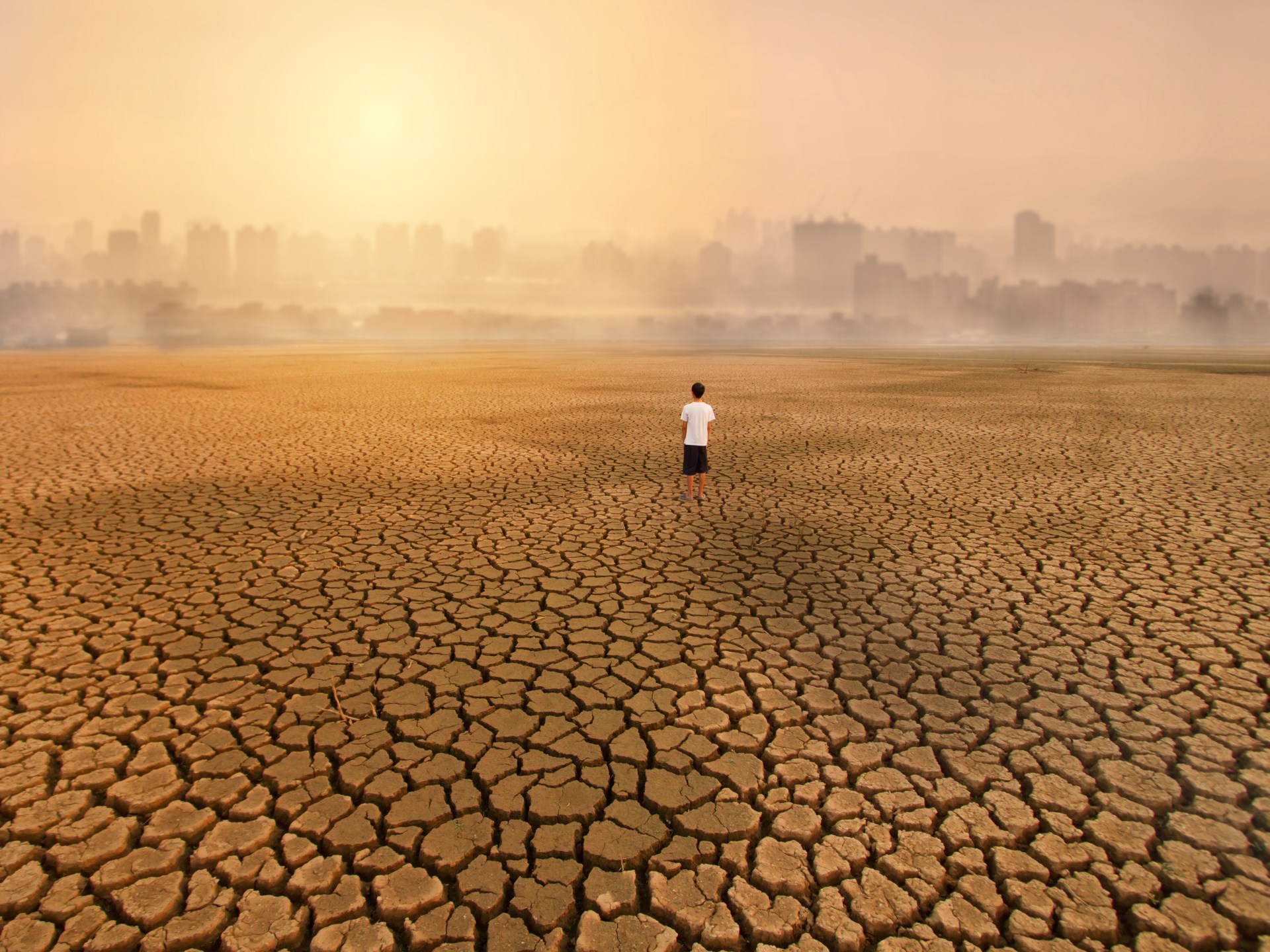
While the world struggles with the escalating effects of climate change, a silent crisis is revealed by the mill of millions of people from their homes, not because of war or persecution, but rather because of the high levels of seas, destroyed drought, and extremist air phenomena. Climate immigration is no longer a deferred problem, but rather an urgent reality that requires international move.
Climate immigration refers to the movement of individuals or societies that are forced to leave their homes due to the environmental changes resulting from climate change or aggravating it. These environmental changes include sudden disasters, such as hurricanes, floods and forest fires, as well as slow -appearing phenomena such as desertification, high sea level and lengthy dryness.
Unlike economic immigrants, who are first moved in search of better opportunities or refugees fleeing persecution, “climate migrants” are driven by direct and indirect effects of environmental deterioration.
Internal migration includes mobility within the borders of the state due to environmental pressures, while emigration across the border indicates the movement of national borders as a result of climate factors.
Temporary displacement can occur as a result of a short -term transition due to sudden disasters, such as hurricanes or floods, while permanent resettlement occurs when the areas become insecure due to long -term environmental changes, forcing societies to move permanently.
Climate immigration motives are multi -side and interconnected. Surprising disasters, such as hurricanes, floods, and forest fires, are homeless annually. According to the International Organization for Migration, the world has witnessed more than 218 million internal displacement cases during the past decade due to weather -related disasters.
Slow changes, such as desertification and high sea levels, are forced to migrate when their livelihoods become not sustainable. The scarcity of resources that have been exacerbated by climate change leads to competition for water and the lands suitable for agriculture, which leads to conflicts that exacerbate immigration.
The economic effects caused by environmental degradation often lead people to displacement in search of better opportunities. The total number of displaced people internally reached a record of 75.9 million people by the end of 2023. Among them, 7.7 million people were displaced due to disasters.
Increased climate immigration scope
Climate migration is not a future problem, but rather is actually that is actually causing. As the effects of climate change exacerbate, the number of persons forced to migrate is expected to increase significantly.
The data indicate that more than 170 million people may have to displace internally around the world by 2050 due to the slow climate change effects in pessimistic scenarios, according to recent data from Statista.
The “Global Wave” report issued by the World Bank of 2021 expects that by the middle of the century, it may become up to 216 million internal immigrants due to climate change in 6 regions: sub -Saharan Africa, South Asia, East Asia and the Pacific, North Africa, Latin America, Eastern Europe, and Central Asia, if heat continues unabated.
Sub -Saharan Africa is expected to witness the highest number of internal immigrants, estimated at 86 million by 2050. The United Nations International Immigration Organization, for its part, estimates that the numbers of climate migrants will exceed one billion and a half by 2050.
The human effects resulting from the increase in migration due to the climate are deep, as they lead to overcrowding in urban areas and inappropriate residential conditions and dilapidated infrastructure systems, which affects weak groups, including women, children, the elderly and indigenous people as well.
Also, geopolitical tensions arise as a result of the increase in the movement of migration across the borders caused by the environmental deterioration in light of its confrontation with large flows of immigrants looking for a safe haven from difficult conditions in their homelands.
It may also exacerbate the global disparity with the richest resistance of the countries to accept the displaced population from the poorest areas, as well as in increasing greenhouse gas emissions, which were historically responsible for paying these changes.

Absted legal frameworks
Many displaced people due to climate change lack an official legal status or protection. This legal gap makes millions of people at risk and not protected in the face of the increasing displacement associated with climate change.
Despite the expansion of the displacement caused by climate change, there is no comprehensive international legal framework that specifically addresses the rights and protection of migrants due to climate change. The existing frameworks are fragmented and not sufficient to face the unique challenges that migration offered due to climate change.
Although the Refugee Convention for 1951 provides legal protection for refugees, it does not recognize environmental factors as a basis for asylum. Attempts to re -interpret the agreement were to include the displacement caused by climate change to a large extent, due to the resistance of the countries concerned with expanding their obligations.
On the other hand, the Global Charter for Safe, Organized and Regular Immigration (2018) acknowledges the link between climate change and migration, but it lacks binding obligations that ensure the protection of the displaced due to environmental factors.
International Human Rights Law also provide some protection for migrants by ensuring their basic rights, such as obtaining food, shelter and health care. However, these rights are often not fully available to migrants due to climate change due to their lack of legal status.
The basic gaps in the existing frameworks include lack of legal recognition of migrants due to climate under international law, the absence of sufficient agreements that address moves across the borders caused by climate change, and focus on responding to short -term disasters instead of long -term strategies for adaptation and resettlement.
Treating climate immigration requires a multi -side approach that includes international cooperation, as well as strong legal reform efforts, as well as innovative solutions specifically designed to address this urgent issue.
International cooperation should include the establishment of an exclusive global fund to support countries affected by the displacement caused by climate change while strengthening regional cooperation mechanisms and legal reform to expand the scope of definitions related to refugee status in existing frameworks, such as the Refugee Agreement of 1951, or a completely new classifications known as climate refugees.

