

7/30/2025–|Last update: 01:09 (Mecca time)
The international arena is witnessing radical transformations in dealing with the humanitarian crisis in the Gaza Strip, as images of famine and systematic starvation caused a shock to the global conscience that forced governments to reconsider their positions on the Palestinian -Israeli conflict.
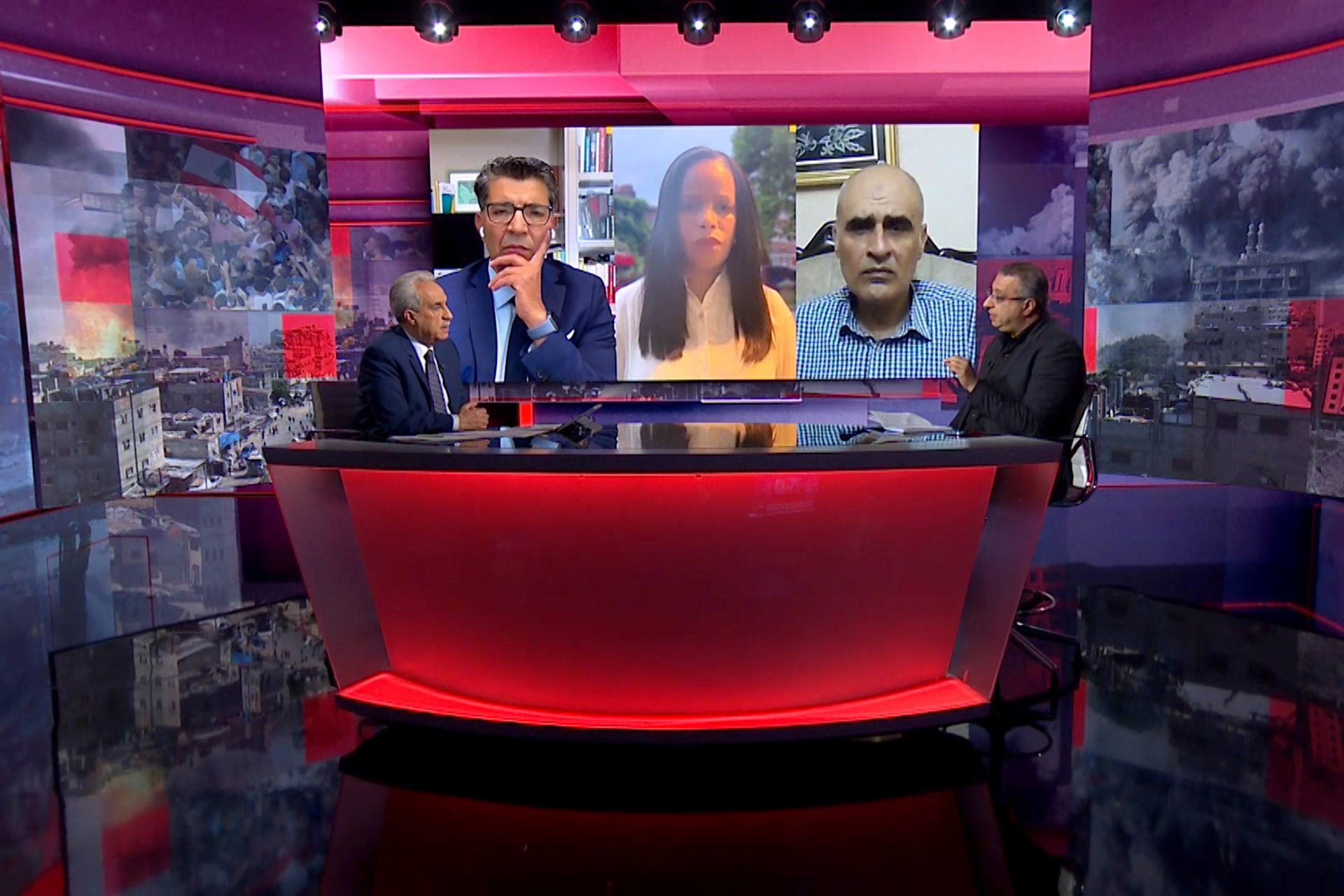
This development, which was described by the head of the NGO Network in the Gaza Strip, Amjad Al -Shawa, represents as a “real warning to the international community”, in a move that has not been limited to the popular street, but extended to the corridors of decision -making in European and American capitals.
In a new warning of catastrophic consequences for famine in the sector, a global hunger observatory said that the worst scenario of a famine is currently waving on the horizon in the sector.
The integrated phase classification of food security in the world confirmed that the increasing evidence indicates that the spread of hunger, malnutrition and diseases contribute to the high deaths associated with hunger.
The warning adds that the latest data indicates that food consumption has reached the limit of famine among citizens across the Gaza Strip, and that severe malnutrition is concentrated in Gaza City.
The current situation reveals a systematic starvation strategy that started from the first moments of the aggression, as well as Al -Shawa, which indicates that the Israeli occupation calculated the calories and quantities that enter the sector, and carried out a systematic destruction of the economic and social structures to increase the reliability of the population on aid.
This policy described Israeli experts themselves as the most systematic and organized since World War II, and has left deep effects on the Israeli elites themselves.
Movement against Netanyahu
In this context, the Israeli society is witnessing an increasing movement against the policies of the government of Prime Minister Benjamin Netanyahu required by the International Criminal Court, where an expert in Israeli affairs Dr. Muhannad Mustafa confirms that Israeli academics, artists and writers started watching how Israel drowns in an ethical solution that will accompany it for decades.
This movement is embodied in data from 5 Israeli universities and demands to solve the problem of the Gaza Strip, which reflects an increasing concern about the collapse of the international image of Israel, which was considered a victim and representative of the Jewish Holocaust.
While the Israeli internal pressure is escalating, the European arena is witnessing serious moves towards imposing sanctions on Israel, and a professor of international relations at Geneva University, Dr. Hosni Abidi, explains that Europe has begun to lead a campaign within the European Union to suspend commercial agreements and scientific cooperation with Israel.
This threat of European sanctions carries a double impact on Israel, given that the Israeli scientific research and development is fully based on the scientific relationship with the European Union, as Mustafa explains, as the waving of cutting this cooperation means the collapse of the process of scientific research and development in Israel permanently, which explains the increasing Israeli academic movement against government policies.
Earlier, the Netherlands decided to prevent Israeli National Security Minister Etamar bin Ghafir and the Minister of Finance in Salafel Smotrich from entering its territory.
The Dutch Foreign Minister Kasper Feldagb announced yesterday, in a letter to Parliament, that the two ministers would not be able to enter the Netherlands because of their incitement to violence against the Palestinians and their call to expand illegal settlements, and their calls for ethnic cleansing in the Gaza Strip.
On the political level, the file of recognition of the Palestinian state is witnessing important developments, from the French position to the recent British statements.
Where French Prime Minister Emmanuel Macron announced that his country will formally recognize the Palestinian state before the United Nations General Assembly next September, the same decision announced by British Prime Minister Kiir Starmer, which linked him on the condition that the Israeli government does not take fundamental steps to end the “horrific” situation in Gaza.
Bid that the former deputy in the British Parliament Claudia Web strongly criticizes the recognition of conditions, considering that the Palestinian state is an undeniable right and not a means of barter and bargaining with Israel.
Guessing popular pressure
These developments come in light of the growing popular pressure in European countries, where Web indicates that the British people go out in demonstrations every day and in every weekend in defense of Palestine, because people no longer bear the vision of these atrocities that occur in front of their eyes daily.
It is the same popular pressure that Abidi notes throughout Europe, pointing out that he has begun to affect the decisions of the European Commission and the governments of the continent.
Despite these positive developments, the biggest challenge in converting these positions into actual measures on the ground remains, as Al -Shawa confirms that the Palestinian people will not lose hope, whatever happens.
But he stresses the need for these positions to turn into real procedures and measures and not only link them to some human matters, calling for a real political path to stop the aggression, end the occupation and establish the Palestinian state.

