

7/15/2025–|Last update: 02:25 (Mecca time)
Several Arab countries are witnessing remarkable interest in archeology, searching for ancient monuments, restoring and preserving them as a heritage of all humanity.
And if Egypt tops the Middle East region in the field of new archaeological discoveries, the spread of archaeology, and the multiplicity of colleges and academic institutes concerned with its study, then the countries of the Arab Gulf witness an increasing interest in archaeological studies, and they grew in the field of excavations in search of the facilities, evidence and artifacts that help in revealing the secrets of grandparents and the sciences, arts and lifestyles they knew.
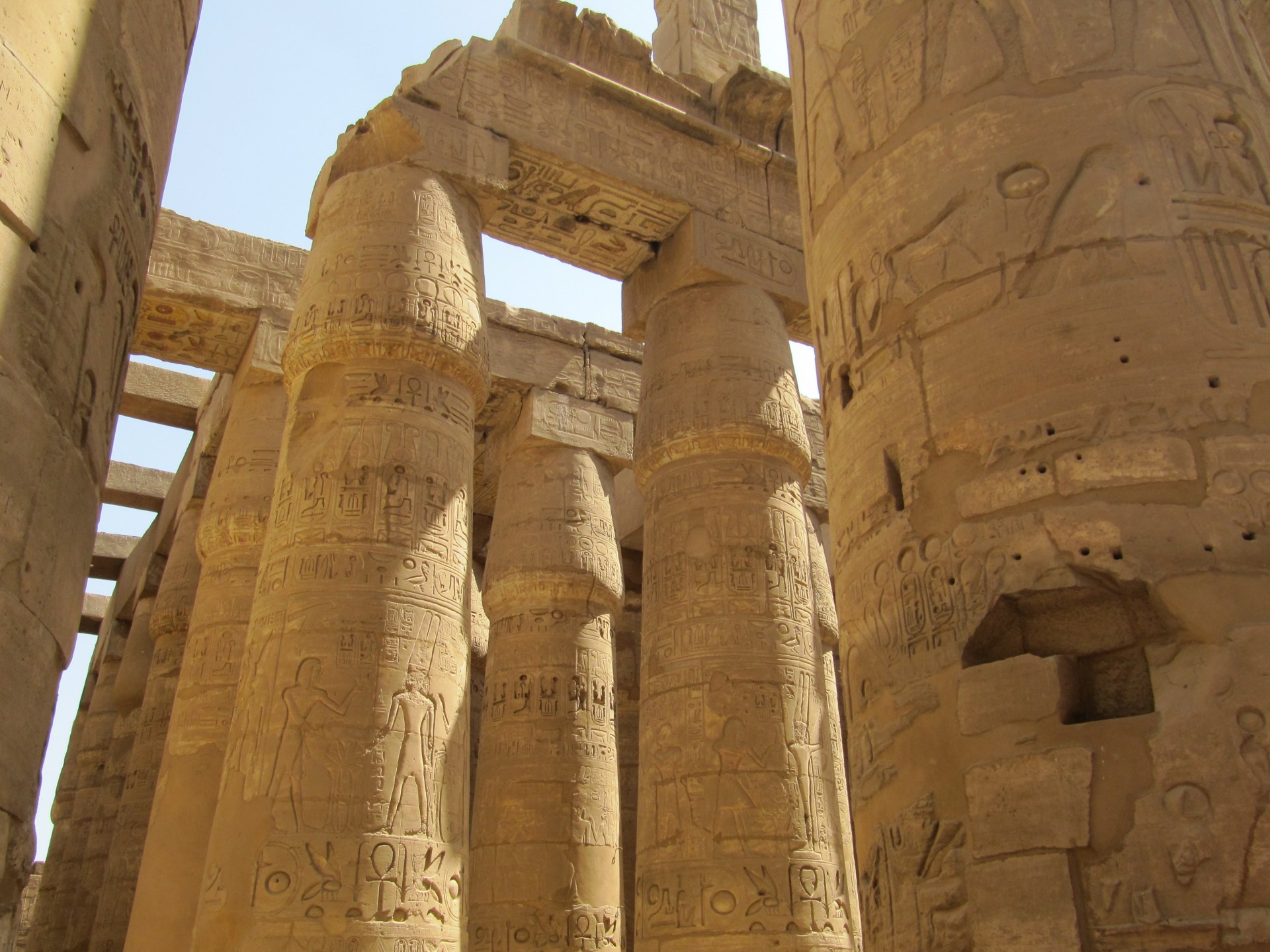
Pits and activities in the field of archeology in various countries of the Gulf are active, starting from the Sultanate of Oman, Qatar and Saudi Arabia, through the Emirates, Kuwait and Bahrain, where there are increasing work in research, exploration, protection and restoration in these countries. As we mentioned above, Egypt is strongly attended in the field of archeology, through the many excavations that helped reach many modern archaeological discoveries in several regions, including: Luxor, Aswan, Saqqara, Minya and others.
Arab genius
Arab archeology, scientists and researchers unanimously agreed that the countries of the Arab world witnessed a great presence of archeology, and that many Arabs wanted in that field, achieved amazing discoveries, put important studies, and formed Arab schools in the field of antiquities over the past decades.
In this context, Dr. Sultan Al -Duwaish, the former director of the Antiquities and Museums Department of the Kuwaiti National Council for Culture, Arts and Literature, said that he believes that there are separate Arab schools in the field of antiquities in the Arab world, but he stressed that foreign schools are the most systematic and continuity.
Al -Duwaish appreciated, in statements to the German News Agency, the efforts of his country and the countries of the Arab Gulf region in the field of archeology, the preservation and protection of archaeological discoveries, and the increase in Gulf scientific activities in this field.
For his part, Egyptian researcher Francis Amin told the German News Agency that Egypt, for example, is rich in many national scientific faces in the field of antiquities, such as Ahmed Pasha Kamal, Salim Hassan, Labib Habashi and others, they are the real founders of the Egyptian school in the field of antiquities, a school with a clearer understanding of the environment, and it is that it is not possible to separate the ancient Egyptian antiquities and the surrounding environment.
He considered that the true founder of the Egyptian Arab School in the field of antiquities is Ahmed Fakhry, who made excavations in several archaeological sites, and was a strong match for archaeologists with international fame, and his students were spreading in the Near East, from Iraq to Yemen and others, and he is the founder of an Arab national school in archaeology. He pointed out that the spread of the colleges of antiquities contributed to the presence of a large number of archaeologists who have been referred to in Lebanon.

The Egyptian archaeological and former general manager of the Antiquities of Luxor and Upper Egypt, Mohamed Yahya Awaida, said that the Arabs possess the foundations and ingredients of “Arab archaeological science”, and that the matter needs more accuracy and specialization to establish an Arab or Egyptian archaeological school, which is able to withstand in the face of the development witnessed by Western archaeological schools, especially in the fields of embalming science, archaeological sites, documentation and registration sciences, and the use of applications Modern in all archaeological sciences.
He stressed that the matter needs to coordinate Arab efforts, especially since experiences and tools are available, but they are scattered and do not link them, according to his saying.
“The Arabs possess the foundations and ingredients of” Arab archeology “, and the matter needs more accuracy and specialization to establish an Arab or Egyptian ancient school, which is able to withstand in the face of the development witnessed by Western archaeological schools, especially in the fields of embalming science, archaeological sites, documentation and registration science, and the use of modern applications in all archaeological sciences.
Ayman Abu Zaid, President of the Egyptian Association for Tourism and Archaeological Development, said that the Arab world is witnessing a breakthrough in the field of archeology, and that Egypt witnessed many huge archaeological discoveries that were found by the knowledge of archaeological missions from the Egyptian archaeologists
Abu Zaid pointed out, in an interview with the German Agency, that our countries and several regions are witnessing an increasing activity in the field of archaeological discoveries, preserving and protecting landmarks, which is what happens remarkably in the United Arab Emirates, in the Emirate of Sharjah, inside Kuwait and the Kingdom of Saudi Arabia, and other Arab countries that have become more aware of the importance of studying their history and effects, which indicates that Arabs have national schools in the field of archeology.
The search for the treasures and effects of the ancient peoples had more than those who were described as “adventurers”, and since the nineteenth century, the interest has been increasing with the knowledge of the past, as a person has to dig distances in the ground to find and study the remains of the past.
Wastening efforts and specialized scientific trips to detect the archaeological area of Al -Faw as a location that must be discovered and preserved. #Heritage Authority pic.twitter.com/32c0qnview
Heritage Authority (@mocheritage) July 26, 2022
The effects of the ancients
The search for the past, the excavation and excavation of the effects of the oldest of the previous nations, and the features of civilizations whose features may be lost due to nature and its fluctuations, have become a science taught in universities and made by specialists, and this is called “archeology”. Archaeologists have benefited from modern technologies in developing their tools, and they were able to use the techniques provided by modern science in excavation, excavation and searching for ancient monuments.
Despite the progress of science in the field of searching for the past, luck plays a major role in reaching amazing archaeological discoveries. It is said that the coincidence led to the discovery of huge secrets of the Pharaonic mummies and coffins in Luxor and in the Egyptian oases.
Serendipity also led some fishermen in Greece to find the famous bronze statue of “Poseidon”, and discovered children chasing their dog “Lasco”, which dates back to prehistoric times in France. Some of the major archaeological discoveries led to nature, such as wind and water displacing dust from cities that disappeared in previous eras, and it can lead to the creation of a new road or giant construction projects to find great traces.

But archaeologists do not believe in the discoveries that lead to chance, but rather they have plans that they gradually apply to reach the monuments or remains of cities they are looking for. The archaeologists can determine, according to their maps, a specific location for drilling and excavation below.
The study of some ancient texts discovered also became a way to reach the sites of cities, villages, temples and tombs that were constructed thousands of years ago, and these texts also became a source of information described by archeology as precincts sometimes, as they provide evidence on the locations of archeology and landmarks that disappeared over time.
Today, archaeology includes new branches, including maintenance and protection of temples and cemeteries from collapse, restoration of inscriptions and drawings, restoration of clothes and fabrics, and restoration of documents such as papyrus, as well as the restoration of mummies and bodies that maintained thousands of years thanks to the science of embalming that some peoples of the ancient world have known such as Egypt and Peru.

