

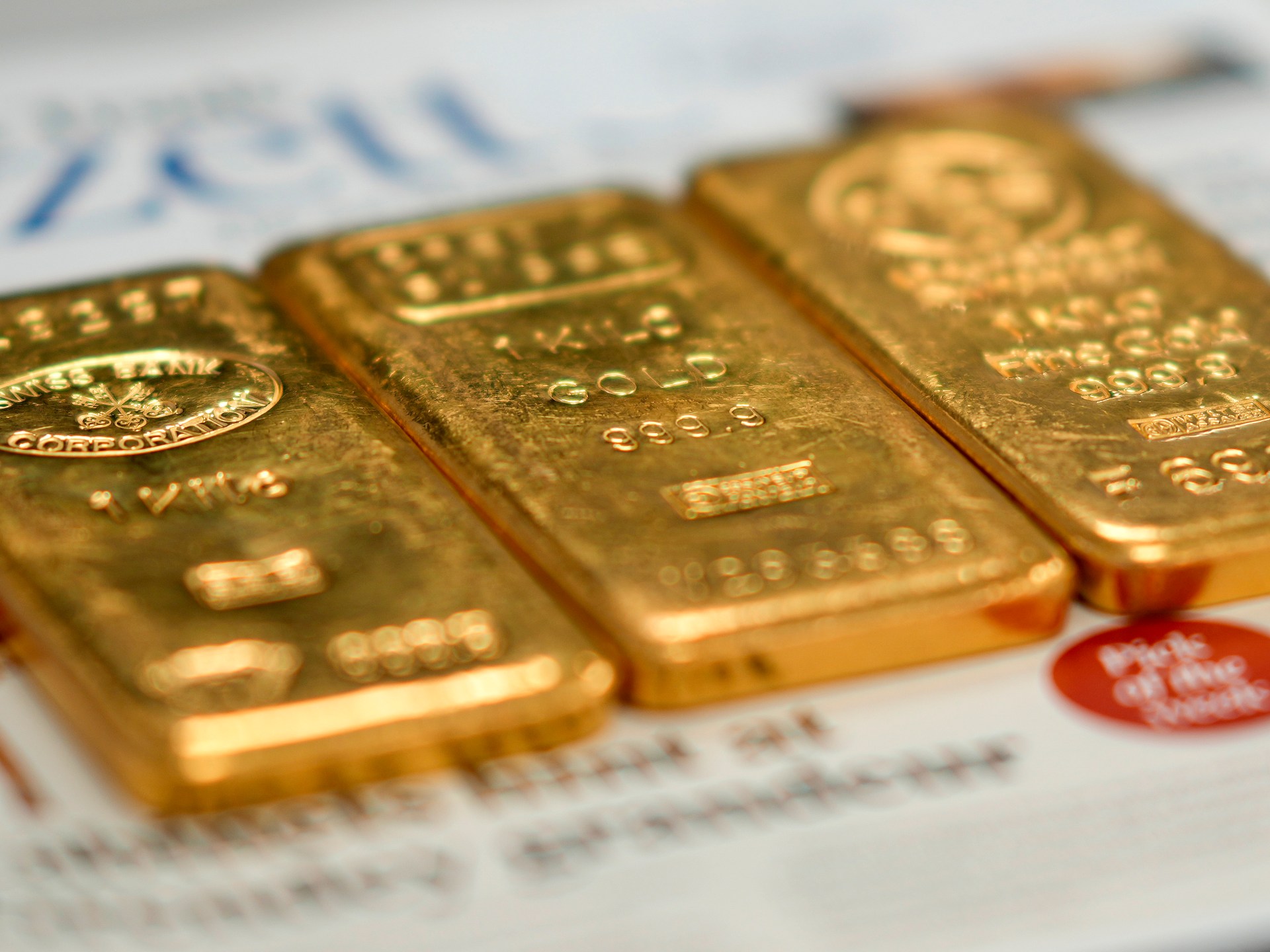
The latest data of the World Gold Council for the first quarter of 2025 revealed that North African countries topped the list of the largest gold -holder on the continent, at a time when many countries seek to enhance their cash sovereignty and reduce their dependence on foreign currencies.
North Africa dominates
Algeria topped the reserves of about 173.6 tons, followed by Libya with 146.7 tons, then Egypt with 128 tons. This arrangement reflects a clear dominance of North African countries on the gold scene on the continent, driven by a desire to enhance economic confidence internally and externally.
Despite the big gap, countries such as Ghana (31 tons), Mauritius, Tunisia and Kenya have emerged on the list of the first seven, in an indication of the widening area of interest in gold as a tool to hedge the fluctuations of exchange rates and enhance cash independence.
While countries, such as South Sudan, Zimbabwe and Nigeria, are following in the footsteps of the major economic powers, by strengthening their gold reserves to build more flexible and independent monetary systems.
Gold reaches its climax
Gold has already been reliable thanks to its stability, loyalty and stable returns, which explains the pursuit of central banks around the world, including Africa, to increase their reserves from it.
According to the World Gold Council, the central banks today own about five total gold extracted globally, which reflects its position as a pillar of monetary stability.
It is noteworthy that the price of gold witnessed a record increase during last April, exceeding $ 3500 an ounce, driven by investor fears of geopolitical tensions and criticism of US President Donald Trump to the Federal Reserve President.
This comes in a general context that witnessed the purchase of central banks for more than a thousand tons of gold, which is twice the average of the past decade.

