

Tunisia- The metro transportation movement and public bus for land transport in the capital, Tunis and all governorates, stopped yesterday, Wednesday, due to the general strike in the land transport sector for travelers, which was called by the “General University of Transport” of the Tunisian General Labor Union.
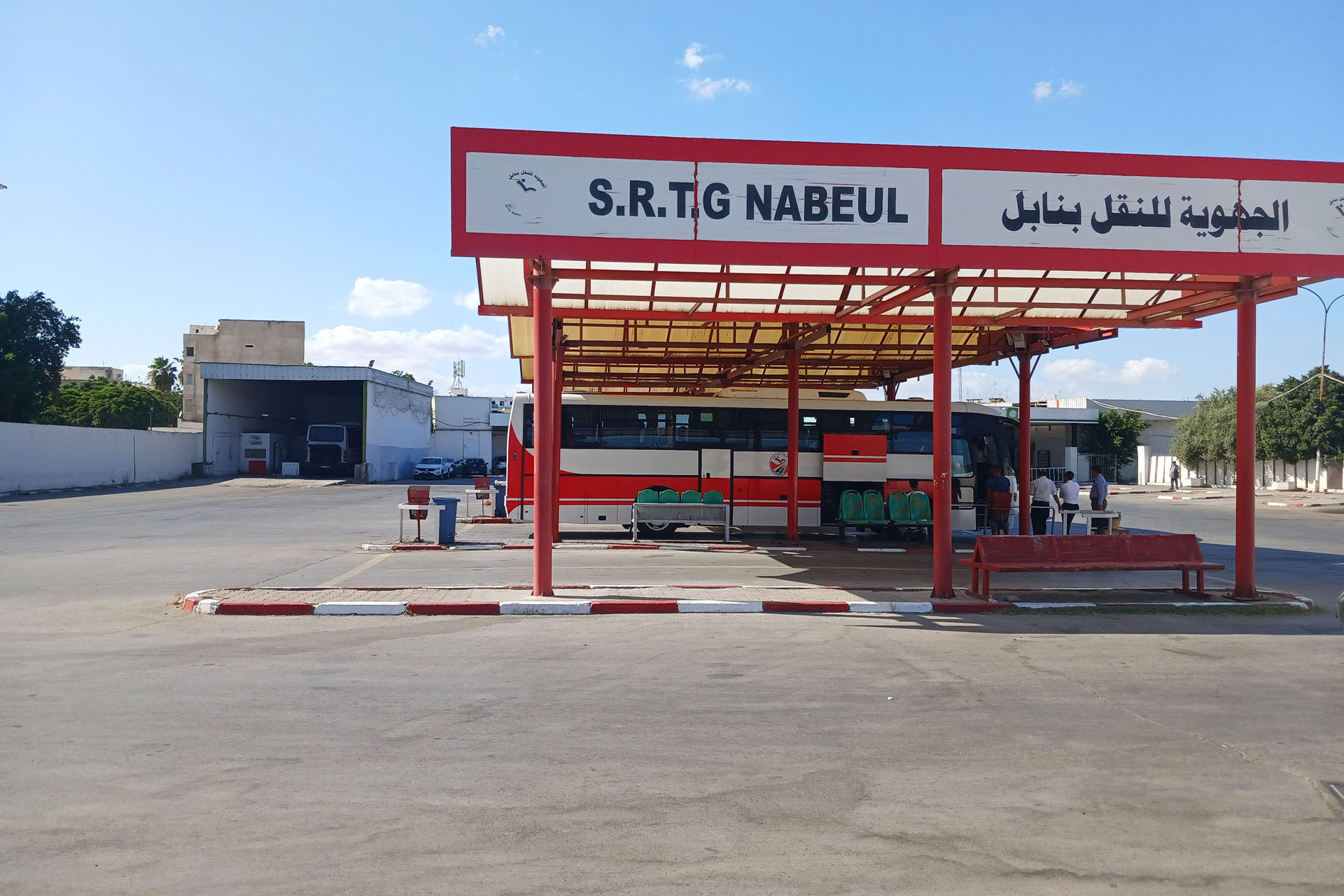
This strike on the first day caused almost complete paralysis of public land transportation for travelers, and left the main stations almost empty, with the exception of confused faces that were not aware of the general strike that entered into force from the early hours of Wednesday morning, and lasts for two other days.
Confused faces
At the “Bab Eliwa” bus station in the capital, a number of citizens stood up to ask questions and looks full of disappointment.
On one of the concrete seats outside the station, Muhammad Al -Saidi sat tired of peace of mind, the features of the confusion appear to be hidden on his brown face, and he put his backpack next to him desperately.
This man came – first yesterday, Tuesday, from the governorate of Tozeur from the far south, to deposit the files of his fellow colleagues working with fragile contracts at the Ministry of Agriculture to settle their status, but the paralysis in the transport made it homeless against his nose, roaming the streets bewildered how he will return to his home.
He says, “I do not oppose the right of the agents to strike, but where is my right as a citizen to move?
It is expected that this situation will continue during the next Thursday and Friday, in the absence of indicators to reach an agreement between the General University of Transport and the Ministry of Transport, which constantly warns the exacerbation of the suffering of passengers and the increase in pressure on alternative transportation.
The strike includes both the Tunis Transport Company, the National Transport Company between cities and regional transport companies, which made the stations almost empty, with the exception of some of the already unacceptable travelers of the movement’s disruption.
The strike comes after the failure of a series of negotiating sessions between the General University of Transport and the Ministry of Transport, as there was no agreement that leads to responding to professional demands, mainly related to improving material and professional conditions, and activating previous agreements and others.
Confusion and resentment
Amid this crisis, Hasna found herself stuck amid suffocating traffic congestion; After she came on a taxi from the marina area, in the hope of traveling to the distant southern civilian governorate, she found herself stuck and confused amid crowding.
“I was intending to travel today to Medenine to visit my family,” she says.
“This strike comes at a time when citizens suffer from the deteriorating means of transportation and the deterioration of all public facilities in general,” she said, blaming the authority responsible for the failure of negotiations with the union and the responsibility for the deterioration of the transportation sector.

The public transport sector in Tunisia is one of the most affected sectors, as it has been facing a structural crisis for years that include the erosion of the fleet, the lack of maintenance, and the decline in the quality of services, which led to a decline in citizens ’confidence in its means.
Experts assert that reforming this sector cannot be limited to settling financial or circumstantial demands, but rather requires radical reforms that include governance, equipment, infrastructure, and strategic planning in the medium and long term.
Accusation
The General University of Transport, affiliated with the Tunisian General Labor Union, attributed the reason for its implementation of the strike to the deterioration of the public transport sector, the statute of limitations of the fleet, the lack of maintenance, the spread of the phenomenon of violence against the agents, and the government’s lack of response to its repeated demands.
“We have exhausted all the means of dialogue, the government denied previous pledges related to the disbursement of the dues of agents, improving working conditions, and the infrastructure that has deteriorated in an unprecedented way,” the university said in a communication.
On the other hand, in a communication, the Ministry of Transport called for the public interest prevailing, announcing the taking of a number of exceptional measures to reduce the repercussions of the strike, most notably the temporary license for taxi “Lawj” to move outside the drawn paths, and allow the collective taxi and rural transport to move inside the states without adhering to the previous license.
The ministry considered that the union demands are “mainly material, and unfair in this accurate financial circumstance,” noting that the response to it remains hostage to reforming the financial situation of public companies and improving their returns.

