

An American study provided new visions on the mechanism of developing cancer during their spread, and the results of the study can help develop strategies to improve the effectiveness of treatments.
The study showed that cancer takes upon its transmission from its original place to new sites, reserves that prevent immune cells from discovering and attacking it, and protecting these procedures from pursuing the immune drugs to it.
The study was conducted by researchers at the Will Cornell Medical College and the Memorial Celing Cancer Center in the United States, and its results were published in the Nature Genetics on June 2, and the Yurik Alier website was written.
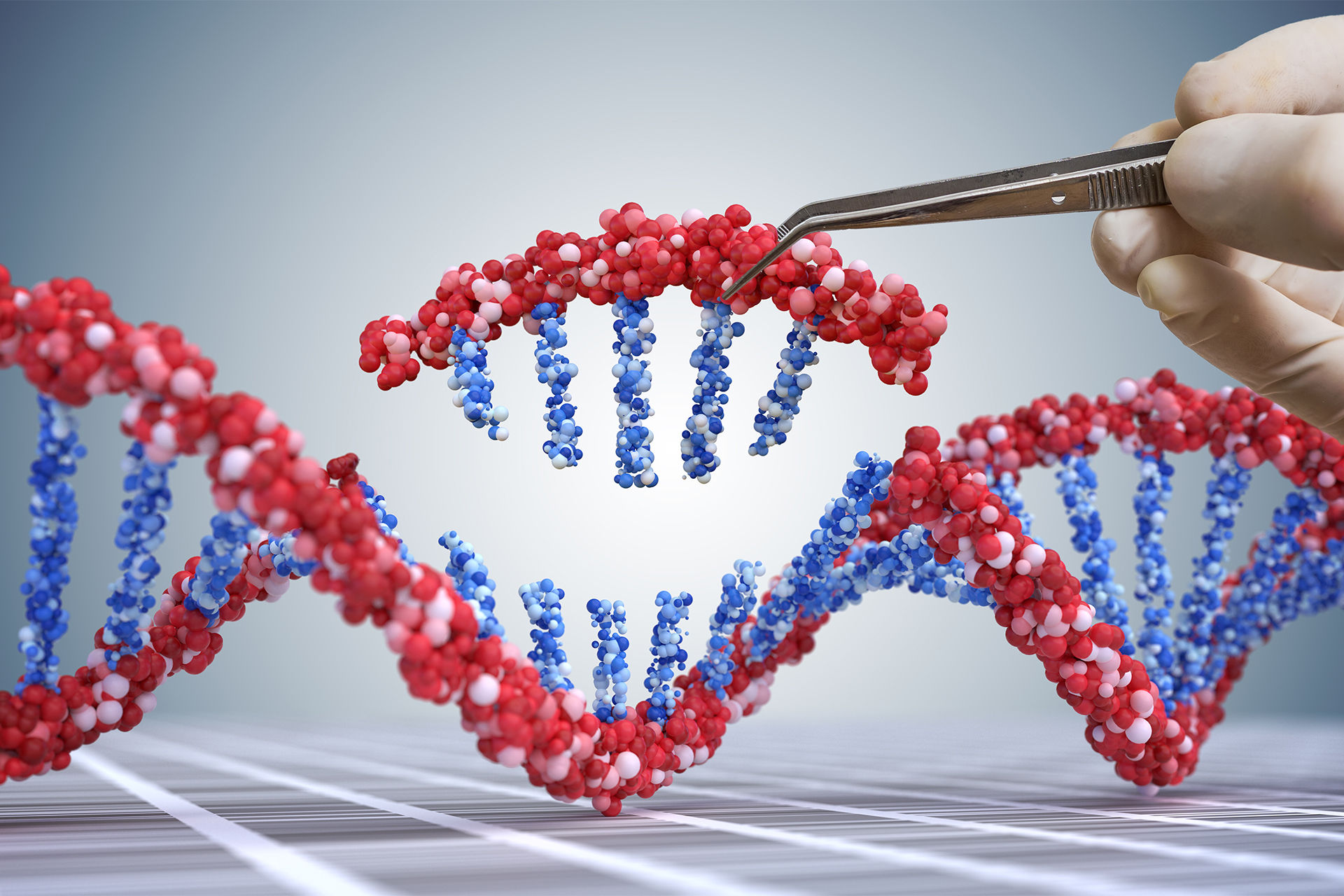
DNA (DNA) contains DNA (DNA) DEOXYRIBONUCLEIC ACID) that carries many different genes. Geneates are the basic units of heredity and are specific sequences of rules that encrypts how to make proteins.
The research team examined the genetic patterns of more than 3,700 cancer patients who underwent dazzling from multiple tumor sites over time, which allowed the research team to compare the genetic patterns of the first tumor (from the place where the disease originated the first time) and the metastatic site (the member to which the cancer was transmitted).
How do cancer cell genes develop?
Genes can change in different ways, including the occurrence of mutations of the original code sequence or the repetition and deletion of parts of the genes.
Mutations that occur in the genetic code resemble small typographical errors, and can affect how the gene works, which leads to the production of abnormal proteins or a change in genetic expression. On the other hand, Copy-Number ALTATIONS changes are a wide range or deletion of genetic material.
The team’s results showed that the tumors are developing over time, and that the metastases tend to accumulate changes in the number of copies more than the mutations. The study also showed that one of the extreme forms of changes in the number of copies, which is double the genome (the group of chromosomes has completely doubled in the cancerous cell) is important during the spread.
Dr. Kareena Zhao, the main researcher in the study of the Surgery Department at the experimental demo immunity laboratory at the Memorial Celong Cancer Center in the United States of America: “We found that the full genome was doubled the genetic event during the transmission of the disease, as it occurred in nearly a third of patients,” said Dr. Kareena Zhao, the main researcher in the study of the Surgery Department at the Experimental Genomic Penal Immunology Laboratory at the Memorial Celong Cancer Center in the United States of America.
These researchers pushed to ask why changes appeared in the number of copies, not mutations, when the tumors spread.
The mutations accumulate with the division of cancer cells, and they make errors in the repetition of their nucleic acid. Some cell mutations help grow faster, while other mutations can affect essential genes and are harmful to the cell. But cancer cells keep a backup copy of the genetic material free of error.
Dr. Zhou said, “The genome doubles for cancer cells to secure their bets, and create additional copies of genes, so that one version can be modified or deleted, while the other version remains intact, and this enhances the ability of the cancerous cell to adapt, survive and resist treatments,” said Dr. Chu.
Evolution without noise
The occurrence of more mutations can make the tumors more clear to the immune system, contrary to the changes in the number of copies, because the changes in their genetic sequences can make them produce abnormal proteins treated by the immune system after that as a strange threat.
The team found that the changes in the number of copies made the tumors resistant, while the mutations made the tumors weaker in front of immunotherapy.
“In the end, our study found that during the transmission of cancer, the cancer cells tend to develop by maximizing the changes in the number of copies, with many mutations that may stimulate an immune response,” said Dr. Bandhudi.
“The results combined indicate that the latest strategies, such as treatments aimed at genetic instability in these extremely changed cells or to change the exact environment of the tumor, can be decisive to create permanent responses in metable cancer,” the researchers said.

